 Irvine Auto Accident Injury Chiropractic
 Sacro Occipital Technique in Irvine
When someone is experiencing spinal misalignments, cranial imbalances, or postural issues, it can lead to chronic pain, headaches, or limited mobility. As the condition persists, the symptoms can begin to impact one's ability to perform basic daily tasks and cause a decline in the overall quality of life.
Developed by Dr. Major Bertrand DeJarnette, the Sacro Occipital Technique (SOT) aims to identify and address spinal and nervous system functions through cranial, spinal, pelvic, and soft-tissue manipulation. This chiropractic technique helps correct the following conditions:
Recently in a Collision?
At Irvine Auto Accident Injury Chiropractic, we provide comprehensive auto accident injury care and professional personal injury case management. Call now to get your customized sacro occipital technique protocol!
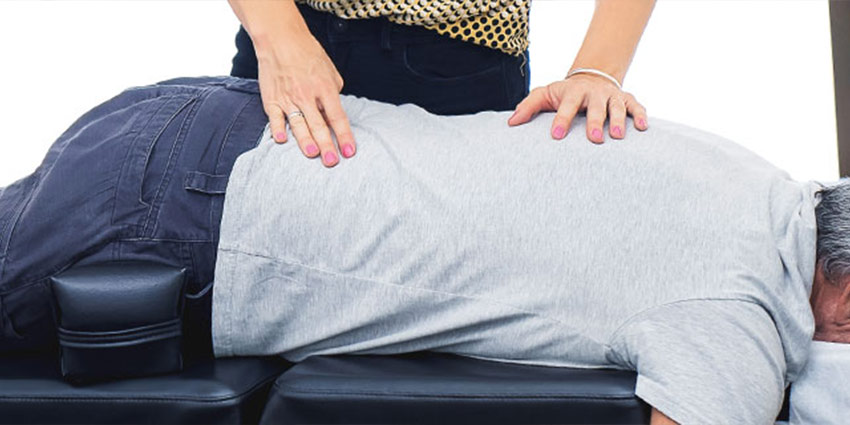
Sacro Occipital Technique (SOT) categorizes patients into three primary categories based on specific spinal and cranial dysfunction patterns. The SOT categorization is based on the theory that the body functions as an interconnected system, where imbalances in one area can lead to compensatory issues in other areas.
-
Category I: Cranial-Sacral Primary Dysfunction
Category I focuses on cranial-sacral primary dysfunction, which involves the sacrum and occiput's alignment and movement. This category deals with the foundational relationship between the pelvis and the skull. Issues in this category often manifest as headaches, migraines, and general spinal discomfort. Treatment involves the usage of pelvic blocks to realign the sacrum and specific cranial adjustments to normalize cerebrospinal fluid flow and enhance nervous system function.
-
Category II: Sacroiliac Joint Dysfunction
Category II concerns sacroiliac joint dysfunction, where the sacroiliac joints between the sacrum and the pelvis become misaligned or unstable. Patients in this category often experience symptoms such as lower back pain, hip pain, and leg pain. Treatment involves pelvic blocks and specific manual adjustments to stabilize and realign the sacroiliac joints. By correcting these imbalances, SOT helps to alleviate pain and improve the structural integrity of the lower back and pelvis, promoting better posture and mobility.
-
Category III: Lumbar Spine and Disc Dysfunction
Category III addresses issues related to the lumbar spine and intervertebral discs, often involving severe back pain, sciatica, and disc herniation. This category focuses on decompressing the lumbar spine and relieving pressure on the spinal nerves. Treatment may include specific lumbar adjustments, decompression techniques, and supportive measures such as pelvic blocks. By targeting the lumbar region, SOT aims to reduce inflammation, improve spinal alignment, and restore proper function to the lower back and associated structures.
This holistic approach is central to SOT, as it recognizes the importance of treating the body as a whole rather than focusing solely on symptomatic relief. The categories help to provide targeted, effective treatments that address the root causes of a patient's issues, leading to more sustainable health outcomes. To begin addressing your chronic symptoms, contact us and schedule a consultation.


“I enjoyed everything for this clinic. Front desk with Sammy and Josie are super friendly and professional. My treating doctor, Dr. harbin is an excellent chiropractor. I’m feeling much better after his treatment after my car accident. The office is super clean and I have nothing but great things to say!"
JL
Irvine,
California
“The staff here is unlike anywhere else. They are caring and attentive. I can’t believe they remembered my name on my second visit. They made me feel welcomed and comfortable. Services are outstanding. The location is clean and well designed. Doctors are knowledgeable. It’s the whole package."
SS
Irvine,
California
“Dr. D and his staff are OUTSTANDING! They are caring, professional and truly care about their patients. If you're in pain and need help, Dr. DISiena Chiropractic Office is the place to go."
JQ
Irvine,
California
“The medical personnel and staff are very professional. Everyone was very friendly and welcoming. I felt at ease and they answered a lot of my questions. I was highly impressed after my first visit and I can’t wait to start the healing process. Thank you!!"
JC
Irvine,
California
“I used to be so scared of the idea of getting chiropractic care. But Dr Grace is the absolute sweetest and so gentle and always takes such good care of me! She listens to everything I'm dealing with and helps with every detail. Even the front desk team is so friendly and kind. Highly recommend!!"
MM
Irvine,
California
“Was experiencing intense nerve pain from my neck down my arm. Spent the weekend doing acupuncture, cupping, scrapping, massage, and aspirin. Nothing worked until I was adjusted at their office. It was reassuring to have them have an X-ray before doing anything and the office was extremely kind and family oriented. Would definitely recommend to anyone!"
RG
Irvine,
California
*Disclaimer: Results are not guaranteed and may vary from person to person.
$0 Out-Of-Pocket Care *
We accept medical liens in Irvine, so your road to recovery is easier! Get started by scheduling your consultation with our chiropractors.
*Terms & Conditions Apply